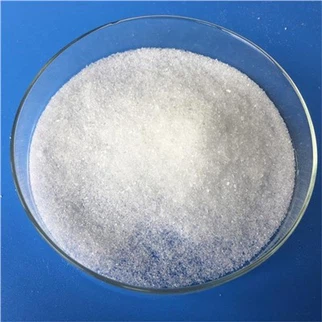
Mainly used in the inorganic industry, it is the basic raw material for the production of various potassium salts such as potassium hydroxide, potassium sulfate, potassium nitrate, potassium chlorate, potassium sulphate, etc. In the pharmaceutical industry, it is used as a diuretic and medicine for preventing and treating potassium deficiency. The dye industry is used to produce G salt, reactive dyes, etc. Agriculture is a kind of potash fertilizer. Its fertilizer effect is fast, and it can be applied directly to farmland to increase the moisture in the lower layer of the soil and have the effect of drought resistance. However, it is not suitable to be used in saline soil and to tobacco, sweet potato, sugar beet and other crops. In addition, it is also used to manufacture muzzle or muzzle flame suppressant, steel heat treatment agent, and for photography. [1]
In the food industry, it can be used as a substitute for table salt in agriculture, aquaculture, livestock, fermentation, seasoning, canned food, convenience food, etc., to make low-sodium products to reduce the adverse effects of excessive sodium content on the body; also used for strengthening Potassium (for human electrolyte use), for the preparation of athlete drinks, etc.; my country stipulates that the maximum use amount for low sodium salt is 350g/kg, the maximum use amount in low sodium soy sauce is 60g/kg, and the maximum use amount in athlete drinks is 0.2 g/kg.